Sidebar blog
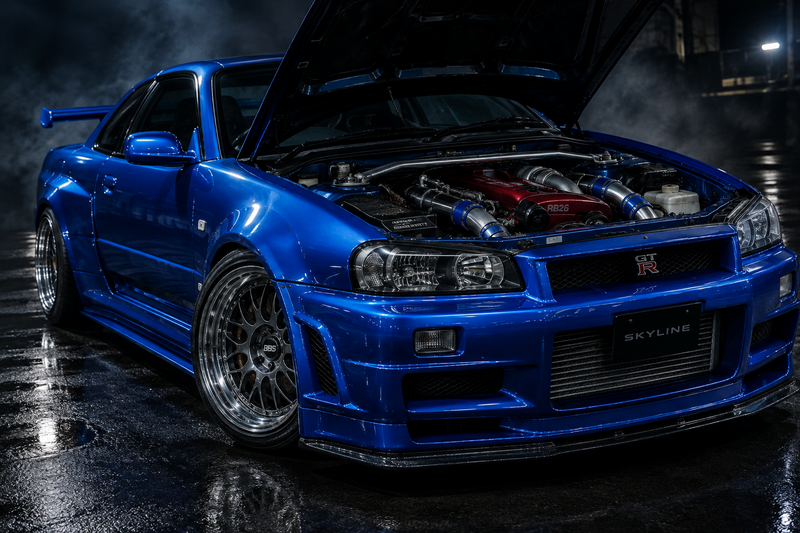
Between 2004 and 2007, NISMO built 20 cars. Not 20 variants. Not 20 models. Twenty individual, hand-completed, fully worked Nissan Skyline GT-R BNR34s. They called it the Z-tune.
If you want to understand what NISMO is, and why NISMO parts carry the weight they do, the Z-tune is the place to start.
What NISMO actually did
NISMO took donor BNR34 GT-Rs and rebuilt them from the ground up. Every car went through a complete body restoration, followed by a comprehensive mechanical rebuild using parts developed specifically for the Z-tune programme.
The RB26DETT engine was bored out to 2.8 litres. NISMO fitted new pistons, rods, and crankshaft. New N1 turbines, larger than stock, feeding a highly developed version of the carbon intercooler piping system. The result was around 500 horsepower in a stock-looking engine bay — in 2004, that was a number most purpose-built sports cars couldn't touch.
The suspension was recalibrated. The brakes were uprated. The exterior received the full R-tune carbon hood, the complete aero package, and that wide-body carbon fibre work that makes the Z-tune visually unmistakeable from any angle.
Why it matters for parts buyers
Every piece of engineering that NISMO developed for the Z-tune programme filtered into their production parts catalogue. The carbon intercooler piping that's available today? Z-tune lineage. The R-tune carbon hood's hood duct design? Developed during Z-tune work. The titanium tower bar? The 400R came first, but Z-tune refined it further.
When you buy NISMO parts for your GT-R, you're buying components that trace their development back to a programme where NISMO had no compromise: 20 cars, the best engineers they had, unlimited attention to detail.
That's not marketing. That's the actual history.
Where the Z-tunes are now
All 20 Z-tunes remain in private hands. Values are now astronomical — last confirmed sales suggest prices well into the hundreds of thousands of US dollars, with some examples reportedly valued closer to half a million. They've never been publicly auctioned as a group.
You won't own a Z-tune. But you can own parts developed by the same people who built one. And for GT-R enthusiasts who care about the heritage behind what they're fitting to their car, that matters more than most people realise.
Share: