Sidebar blog
Complete Guide to JDM Oil Catch Cans and Breather Systems
Crankcase ventilation is critical for engine longevity and performance. In 2025, authentic JDM oil catch cans from Cusco, HKS, Mishimoto, and GReddy prevent oil vapor from contaminating your intake system while maintaining proper crankcase pressure. This comprehensive guide covers everything you need to know about oil catch cans, air-oil separators, breather filters, and complete PCV system upgrades for maximum engine protection and performance.
Top JDM Oil Catch Can Manufacturers
Cusco (Oil Catch Tank) - Japan's premier oil catch can manufacturer. Baffled aluminum construction with sight glass. Available in 0.6L and 1.0L capacities. Anodized blue or polished finish. Price: ¥18,000-¥35,000. Excellent quality and proven effectiveness.
HKS (Oil Catch Tank) - Premium baffled design with drain valve. Laser-etched HKS logo. 0.8L capacity typical. High-quality construction. Price: ¥22,000-¥40,000. Used in HKS demo cars worldwide.
Mishimoto (Baffled Oil Catch Can) - American brand popular in JDM scene. 2-port or 3-port configurations. Lifetime warranty. Internal baffle system. Price: ¥15,000-¥32,000. Good value with quality construction.
GReddy (Oil Catch Tank) - Compact design for tight engine bays. Anodized aluminum construction. Easy drain system. Price: ¥18,000-¥35,000.
Tomei (Oil Catch Can) - Lightweight aluminum construction. Simple yet effective design. Price: ¥15,000-¥28,000.
Radium Engineering (Dual Catch Can) - Advanced dual-chamber design. Separate PCV and CCV circuits. Premium pricing. Price: ¥35,000-¥65,000. Maximum effectiveness.
Why You Need an Oil Catch Can
Problems with Oil Vapor:
Contaminates intake manifold
Reduces octane rating of fuel mixture
Causes carbon buildup on intake valves
Decreases intercooler efficiency
Fouls spark plugs over time
Reduces engine performance
Benefits of Oil Catch Can:
Keeps intake system clean
Prevents carbon buildup (especially direct injection)
Maintains intercooler efficiency
Extends spark plug life
Improves combustion quality
Protects turbocharger seals
Especially Important For:
Turbocharged engines (high crankcase pressure)
Direct injection engines (no fuel wash on valves)
Track cars (sustained high RPM)
High-mileage engines (more blow-by)
Modified engines (increased power = more blow-by)
Types of Oil Catch Cans
Single-Port Catch Can:
One inlet, one outlet
Simplest design
Adequate for basic applications
Price: ¥12,000-¥25,000
Best for: Mild builds, single PCV line
Dual-Port Catch Can:
Two inlets, one or two outlets
Handles PCV and CCV separately
More effective than single-port
Price: ¥18,000-¥38,000
Best for: Turbocharged engines, serious builds
Air-Oil Separator (AOS):
Returns separated oil to engine
No need to drain
More complex installation
Price: ¥30,000-¥70,000
Best for: Daily drivers, convenience
Baffled vs Unbaffled:
Baffled: Internal baffles slow vapor, improve separation
Unbaffled: Simple chamber, less effective
Always choose baffled for best results
Catch Can Capacity
Small (0.3-0.5L):
Compact for tight spaces
Requires frequent draining
Adequate for NA engines
Price: ¥12,000-¥22,000
Medium (0.6-0.8L):
Most popular size
Good balance of size and capacity
Suitable for most applications
Price: ¥18,000-¥32,000
Large (1.0L+):
Extended drain intervals
Best for track cars
Requires more mounting space
Price: ¥25,000-¥45,000
Popular Catch Can Applications
Nissan GT-R R35 (VR38DETT):
- Cusco dual-port: ¥32,000
- HKS catch tank: ¥38,000
- Mishimoto baffled: ¥28,000
- Radium dual: ¥55,000
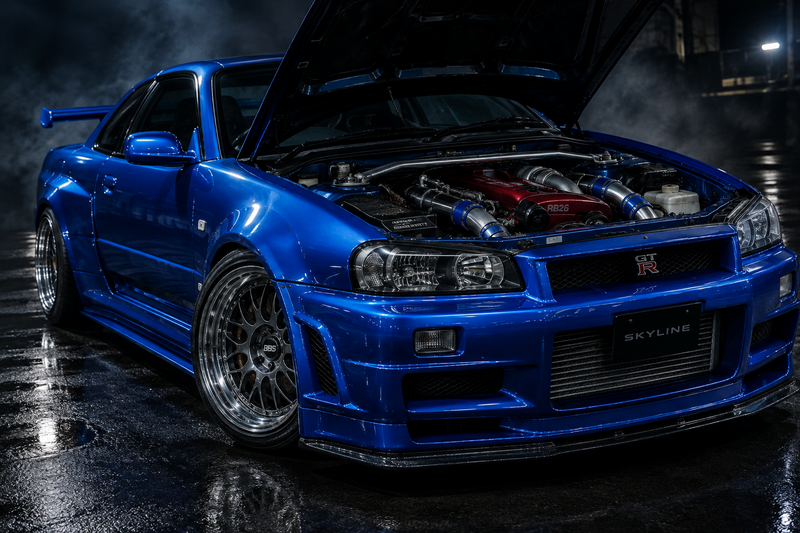
Nissan GT-R R32/R33/R34 (RB26DETT):
- Cusco catch tank: ¥25,000
- HKS: ¥30,000
- GReddy: ¥22,000
- Tomei: ¥20,000
Toyota Supra A80 (2JZ-GTE):
- Cusco: ¥28,000
- HKS: ¥32,000
- Mishimoto: ¥25,000
- GReddy: ¥24,000
Subaru WRX STI:
- Mishimoto: ¥28,000
- Cusco: ¥30,000
- Radium AOS: ¥58,000
- Perrin: ¥25,000
Honda Civic Type R FK8:
- Mishimoto: ¥25,000
- Cusco: ¥28,000
- PRL Motorsports: ¥32,000
Mazda RX-7 FD (13B-REW):
- Cusco: ¥26,000
- HKS: ¥30,000
- GReddy: ¥23,000
Installation Guide
Basic Catch Can Installation:
1. Choose mounting location (accessible for draining)
2. Install mounting bracket
3. Disconnect PCV hose from intake
4. Route hose to catch can inlet
5. Connect catch can outlet to intake
6. Secure all hoses with clamps
7. Check for vacuum leaks
8. Test system operation
DIY: 1-3 hours
Professional: ¥15,000-¥30,000
Dual-Port Installation:
1. Identify PCV and CCV lines
2. Mount catch can in accessible location
3. Route PCV line to port 1
4. Route CCV line to port 2
5. Connect outlets to intake
6. Verify proper routing
7. Check for leaks
DIY: 2-4 hours
Professional: ¥25,000-¥45,000
Hose Sizing & Fittings
Common Hose Sizes:
PCV line: 10-12mm (3/8" - 1/2")
CCV line: 12-16mm (1/2" - 5/8")
Breather: 12-19mm (1/2" - 3/4")
Match stock hose diameter
Fitting Types:
Barb fittings: Simple, reliable, affordable
AN fittings: Professional appearance, reusable
Push-to-connect: Easy installation, clean look
Compression fittings: Secure, no clamps needed
Hose Materials:
Silicone: Heat resistant, flexible, durable
Rubber: OEM-style, adequate for most uses
Braided: Premium appearance, maximum durability
Price: ¥2,000-¥8,000 per meter
Breather Filters
Why Use Breather Filters:
Prevents dirt ingestion
Allows crankcase to breathe
Filters oil mist
Required for vented catch cans
Maintains proper crankcase pressure
Breather Filter Types:
Small (25-35mm): ¥2,000-¥5,000
Medium (40-50mm): ¥3,000-¥7,000
Large (60-76mm): ¥5,000-¥12,000
Washable/reusable recommended
Popular Brands:
K&N breather filters: ¥3,500-¥8,000
Mishimoto: ¥3,000-¥7,000
Cusco: ¥4,000-¥9,000
Generic universal: ¥1,500-¥4,000
Maintenance & Draining
Drain Frequency:
Street driving: Every 3,000-5,000km
Spirited driving: Every 2,000-3,000km
Track use: After every track day
Turbocharged: More frequent than NA
High-mileage engines: More frequent
Draining Procedure:
1. Allow engine to cool
2. Place container under drain valve
3. Open drain valve
4. Allow oil to drain completely
5. Close drain valve
6. Wipe clean
7. Check fluid level in sight glass
8. Dispose of oil properly
Cleaning:
Remove catch can every 20,000km
Disassemble and clean baffles
Use brake cleaner or degreaser
Rinse and dry thoroughly
Reassemble with new O-rings if needed
Performance Benefits
Intake System Protection:
Keeps intake manifold clean
Prevents intercooler contamination
Maintains MAF sensor accuracy
Reduces carbon buildup
Engine Longevity:
Cleaner combustion
Extended spark plug life
Reduced valve deposits (direct injection)
Better ring seal over time
Performance Maintenance:
Consistent power output
Maintained octane rating
Better throttle response
Improved fuel economy (marginal)
Complete Catch Can Packages
Basic Street Package:
- Single-port catch can: ¥18,000
- Silicone hoses: ¥5,000
- Breather filter: ¥3,000
- Mounting bracket: ¥3,000
- DIY installation: ¥0
Total: ¥29,000
Performance Package:
- Dual-port catch can: ¥30,000
- AN fittings and braided lines: ¥12,000
- Premium breather filter: ¥6,000
- Mounting hardware: ¥4,000
- Professional installation: ¥25,000
Total: ¥77,000
Track/Competition Package:
- Radium dual catch can: ¥55,000
- Complete AN line kit: ¥20,000
- High-flow breather filters: ¥10,000
- Custom mounting: ¥8,000
- Professional installation: ¥35,000
Total: ¥128,000
Mounting Locations
Engine Bay Mounting:
Near strut tower (common)
On firewall
On fender well
Considerations: Accessibility for draining, heat exposure, hose routing
Mounting Tips:
Mount upright (not tilted)
Accessible drain valve
Away from extreme heat
Secure mounting (vibration resistant)
Visible sight glass (if equipped)
PCV System Basics
How PCV Works:
Positive Crankcase Ventilation
Routes blow-by gases to intake
Maintains slight vacuum in crankcase
Prevents pressure buildup
Reduces emissions
PCV Valve:
One-way valve controlling flow
Prevents backflow to crankcase
Should be replaced every 40,000-60,000km
Price: ¥2,000-¥6,000
Check valve operation when installing catch can
Common Issues & Solutions
Excessive Oil Collection:
Cause: Worn piston rings, high blow-by
Solution: Engine may need rebuild
Catch can doing its job (preventing intake contamination)
No Oil Collection:
Cause: Incorrect installation or routing
Solution: Verify hose connections, check for leaks
Ensure proper flow direction
Vacuum Leaks:
Cause: Loose connections, cracked hoses
Solution: Tighten clamps, replace damaged hoses
Use smoke test to find leaks
Catch Can Overflow:
Cause: Not draining frequently enough
Solution: Drain more often, consider larger capacity
Check for excessive blow-by
Track Day Considerations
Pre-Track Preparation:
Drain catch can completely
Inspect all hoses and connections
Tighten all clamps
Verify breather filter is clean
Post-Track Maintenance:
Drain catch can immediately
Inspect for leaks
Check oil level in engine
Clean breather filter if needed
Track-Specific Setup:
Larger capacity catch can
Dual-port for maximum effectiveness
High-flow breather filters
Secure mounting for high-G loads
Direct Injection Engines
Why DI Engines Need Catch Cans:
No fuel wash on intake valves
Oil vapor causes severe carbon buildup
Catch can prevents valve deposits
Extends walnut blasting intervals
Critical for long-term reliability
DI-Specific Recommendations:
Dual-port catch can essential
Drain every 2,000-3,000km
Consider air-oil separator
Monitor valve deposits regularly
2025 Trending Technologies
- Integrated oil level sensors with alerts
- Automatic drain systems
- Heated catch cans (prevents freezing)
- Transparent catch cans (full visibility)
- Magnetic drain plugs (capture metal particles)
- Quick-disconnect fittings for easy service
- Smart catch cans with app monitoring
Legal & Emissions Considerations
Emissions Compliance:
Catch can must maintain closed system
Cannot vent to atmosphere (most regions)
Must route vapors back to intake
Breather filter for overflow only
Inspection Concerns:
May be questioned during inspection
Ensure professional installation
Maintain clean appearance
Keep documentation of parts
Budget Planning
Entry-Level:
Basic catch can + installation: ¥25,000-¥40,000
Essential protection
Mid-Range:
Quality dual-port system: ¥50,000-¥80,000
Excellent protection and convenience
Premium:
Air-oil separator or dual catch can: ¥80,000-¥130,000
Maximum effectiveness and features
Installation Tips
Best Practices:
Use quality hoses and clamps
Route hoses away from heat sources
Avoid sharp bends in hoses
Label all connections
Take photos during installation
Test for leaks with engine running
Common Mistakes:
Mounting catch can at angle
Using undersized hoses
Not securing hoses properly
Forgetting breather filter
Incorrect flow direction
Mounting in inaccessible location
Ready to protect your intake system? Invest in a quality oil catch can from Cusco, HKS, or Mishimoto and prevent oil vapor contamination while maintaining proper crankcase ventilation. Whether you're building for street, track, or daily driving, an oil catch can is essential preventive maintenance that pays dividends in engine longevity and performance. Merry Christmas! 🎄🎁✨
Share: